A strong event promotion strategy is what turns a great event into a well-attended one. Here is a practical approach that works for webinars, virtual events and hybrid events alike.
Planning a great event takes real effort. Getting the content right, locking in the right speakers, making sure the production reflects the quality of what you are communicating — all of that takes time and care. It is genuinely hard work.
Which is why promotion deserves the same level of attention as everything else. A strong event promotion strategy is not complicated. With a bit of structure and forward planning, knowing how to promote a webinar or virtual event is well within reach for any team. Here is what works.
1. Start earlier than feels necessary
The single most effective change most event teams can make to their event promotion strategy is to start earlier. Not a week before the event. Not two weeks before. For most virtual and hybrid events, promotion should begin four to six weeks out at a minimum, and for larger or more complex events, even earlier than that.
Starting early gives you time to build awareness gradually rather than trying to generate urgency at the last minute. It also gives your audience time to plan around the event, clear their diaries and actually show up on the day.
2. Build a promotion sequence, not a single announcement
One email does not a promotion strategy make. The most effective event promotion works as a sequence of communications that build on each other over time. A save the date. A registration announcement. A speaker or content teaser. A reminder as the date approaches. A final nudge the day before.
Each touchpoint serves a different purpose and reaches people at a different stage of their decision to register. Some people will sign up at the first email. Others need three or four reminders before they commit. A well-structured sequence captures both.
“Your event is only as good as the audience it reaches. Promotion is not the afterthought. It is the work.”
3. Treat your existing audience as your most valuable asset
Before you spend a dollar on paid promotion or partnership outreach, make sure you have fully activated your existing audience. Your email list, your social following, your past event attendees — these are people who already know and trust your organisation. They are far more likely to register for your event than someone encountering your brand for the first time.
Segment your existing audience where you can. Someone who attended a similar event last year deserves a different message from someone who has never been to one of your events before. Personalisation does not have to be complex. Even small adjustments to subject lines or opening sentences can make a meaningful difference to open and click rates.
4. Use every channel available to you
Email is your most reliable promotion channel but it should not be your only one. Social media, particularly LinkedIn for professional and corporate events, extends your reach beyond your existing audience and gives people a way to share the event with their own networks. A post from a speaker or a partner organisation can reach an entirely new audience in a way that no amount of your own promotion can replicate.
For hybrid events, think about how you promote the in-person experience differently from the virtual one. The reasons someone might choose to attend in person are different from the reasons they might join online. Your promotion should reflect that.
5. Make registration as easy as possible
This sounds obvious but it is surprising how often event promotion falls down at the registration stage. A registration page that takes too long to load, asks for too much information, or is not optimised for mobile will lose you registrations that your promotion worked hard to generate.
Keep your registration form short. Ask only for what you genuinely need. Make sure the page works on a phone. And test the whole process yourself before you start promoting it so you are not sending people to something that does not work.
6. Do not stop promoting after registration opens
A common mistake is treating promotion as something that ends once registration is live. In reality, the period between registration opening and the event itself is when some of your most effective virtual event promotion happens. Speaker announcements, content previews, behind the scenes glimpses of production — all of these give people who have not yet registered a reason to do so, and remind people who have registered why they signed up in the first place.
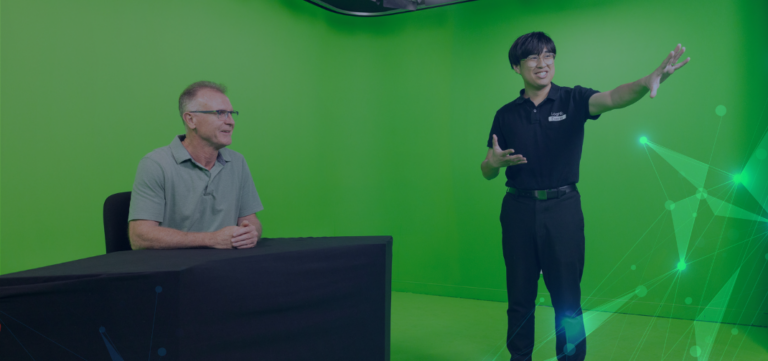
For hybrid and studio events in particular, sharing a glimpse of the production environment can be a powerful motivator. People want to be part of something that looks and feels professional.
7. Follow up after the event too
Promotion does not end when the event does. The people who registered but did not attend are still warm leads who deserve a follow-up. A recording, a summary, a highlight clip — giving no-shows a way to access the content keeps the conversation going and means your event continues to generate value well after the day itself.
It also sets you up well for your next event. Someone who missed this one but received a great follow-up is far more likely to register for the next one.
If you are planning a webinar, virtual event or hybrid event and want to make sure it reaches the audience it deserves, the Loghic Events team is here to help. From production to promotion strategy, we will make sure your event works as hard as possible.
Frequently asked questions
Your questions about event promotion, answered.
✓ How far in advance should I start promoting my event?
For most webinars and virtual events, four to six weeks is a good starting point. For larger hybrid events or annual forums with a broader audience, eight to twelve weeks gives you more time to build awareness and momentum. The key is to start earlier than feels necessary rather than leaving it until the last minute.
✓ How many emails should I send to promote an event?
There is no single right answer but most successful event promotion involves at least four to five emails spread across the promotion period. A save the date, a registration announcement, one or two content or speaker teasers, a reminder a week out, and a final nudge the day before. The exact number will depend on the length of your promotion window and the nature of your audience.
✓ What is the best social media platform for promoting events?
For professional, corporate and industry events, LinkedIn is generally the most effective platform. It reaches a professional audience, allows for organic sharing between networks, and gives speakers and partners a natural way to amplify your promotion. For events with a broader or more general audience, Instagram and Facebook can also be effective. The best platform is the one where your target audience is most active.
✓ How do I promote a hybrid event differently from a virtual one?
The key is to recognise that the in-person and virtual audiences have different motivations for attending. In-person attendees are often drawn by the networking, the experience and the environment. Virtual attendees are looking for convenience, accessibility and the content itself. Your promotion should speak to both groups separately where possible, highlighting what makes each experience valuable rather than using the same messaging for everyone.
✓ What should I do with people who registered but did not attend?
Do not ignore them. People who registered but did not attend are still interested in your content and your organisation. A follow-up email with a recording, summary or highlight clip keeps the relationship warm and gives them a reason to engage with your next event. This group is often more likely to attend future events than people who have never registered at all.