Whether you’re planning a virtual, hybrid, studio, or in-person event, success often comes down to the people on screen or on stage. Two key roles shape how your audience experiences the event: the
presenter and the
moderator. While these roles are sometimes blended or used interchangeably, understanding the distinction between
presenters vs. moderators can significantly improve your event delivery — and your audience’s experience.
The Presenter: Subject Matter Front and Centre
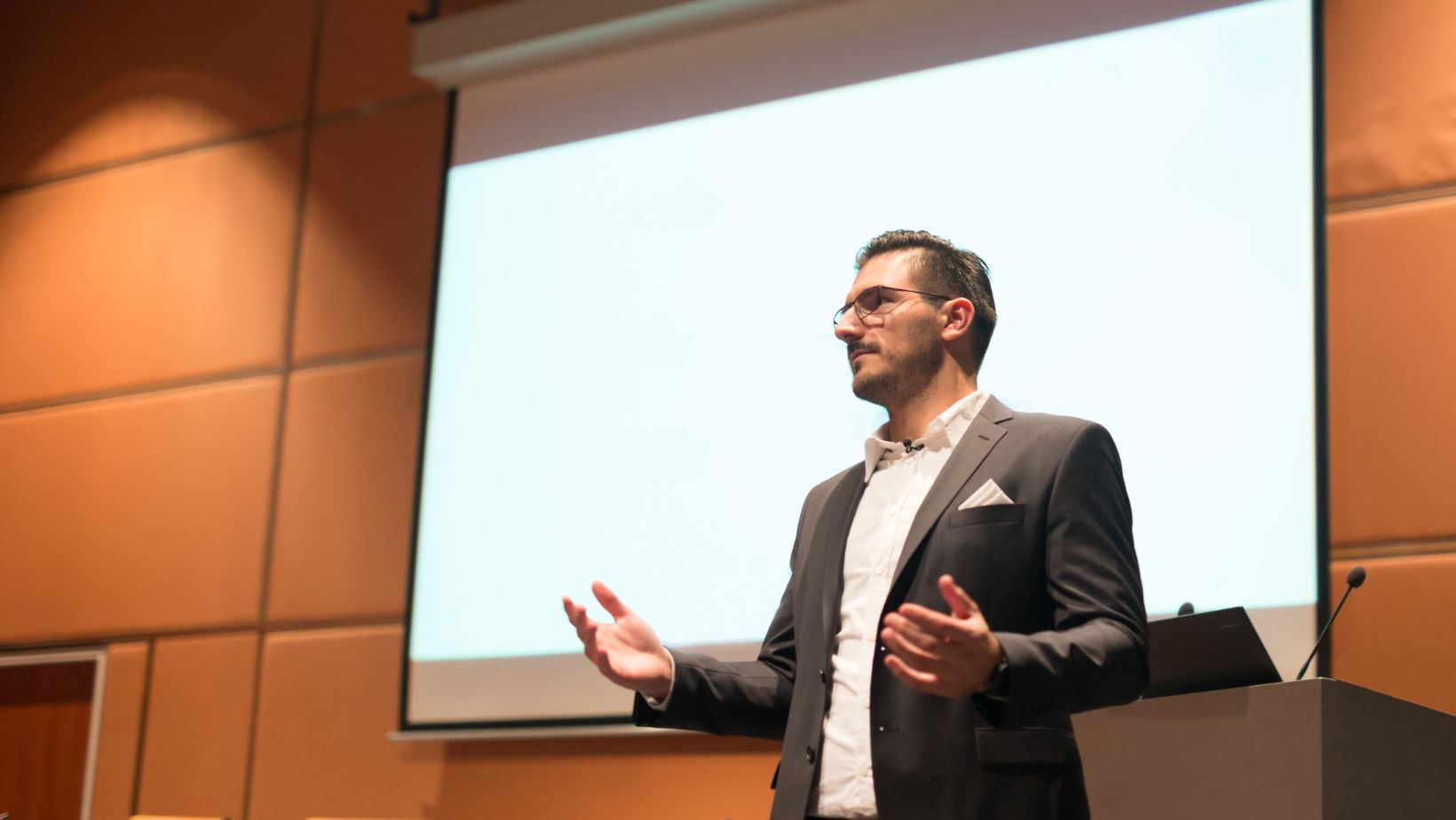
Presenters are the experts. They’re the voice of the message — delivering insights, content, and stories that shape the purpose of the event.
Their role includes:
•
Delivering the content: Presenters share their expertise, deliver slides or demos, and bring authority to the topic.
•
Engaging the audience: They connect through storytelling, clarity, and confidence, regardless of format.
•
Promoting the event: In many cases, presenters also help drive interest by sharing the event within their networks.
In any setting — from a webinar to a live panel — a strong presenter knows how to communicate ideas clearly and keep the audience interested.
The Moderator: Guiding the Experience
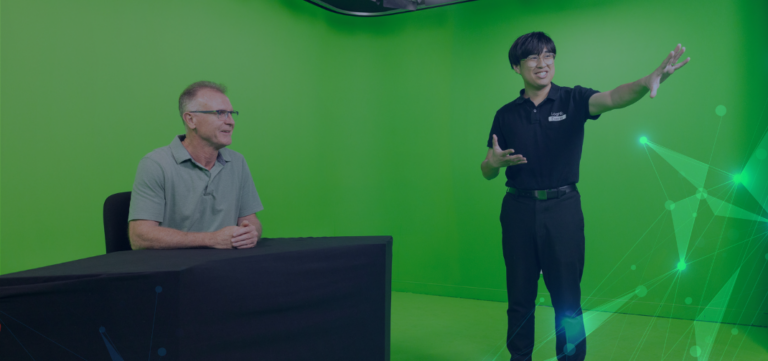
Moderators are there to support the flow and create a seamless experience for everyone involved. Think of them as the host or MC of your event — the consistent thread tying it all together.
They’re responsible for:
•
Opening the session: Welcoming the audience and setting expectations.
•
Managing transitions: Introducing speakers and guiding the agenda.
•
Keeping things on track: Watching the time, adjusting if needed, and handling unexpected changes.
•
Facilitating engagement: Running audience Q&As, managing polls or chats, and ensuring participants feel heard.
In more complex formats — especially panel discussions or interactive sessions — moderators are essential in keeping things running smoothly and professionally.
Presenters vs. Moderators – It’s a Partnership
When presenters and moderators work together, the result is a polished, professional event. Rehearsals, pre-event briefings, and alignment on the agenda all contribute to a stronger delivery.
And while these roles are distinct, the best events happen when both the presenter and moderator understand each other’s strengths and support one another in real time.
Why It Matters
Research into audience behaviour shows that delivery style and energy often have a greater impact than technical knowledge alone. When presenters are well-supported and events are structured with clear moderation, the result is a smoother, more engaging experience for everyone involved.
Need help briefing your presenters or sourcing a strong moderator for your next event?
At Loghic Events, we work closely with both roles to ensure every event — virtual, hybrid, or in-studio — is delivered seamlessly.
Contact us to find out more.
FAQs
✔ What’s the difference between a presenter and a moderator?
A presenter delivers the main content or message of the event, while a moderator manages the flow, transitions, and audience engagement.
✔ Can one person be both presenter and moderator?
Yes, in smaller or internal events, a single person may take on both roles. For larger or public-facing events, it’s best to separate them for better focus and polish.
✔ Do I need a moderator for in-person events?
Absolutely. A moderator keeps the session on track, introduces speakers, and ensures audience interaction is handled smoothly — regardless of whether it’s online or in a room.
✔ Who should moderate a panel discussion?
Choose someone with strong facilitation skills, time management, and the ability to guide conversation naturally. They don’t need to be a content expert, but should understand the event goals.
✔ How do I brief a presenter or moderator before an event?
We recommend a pre-event briefing or rehearsal to align on timings, responsibilities, audience expectations, and any tech requirements.