
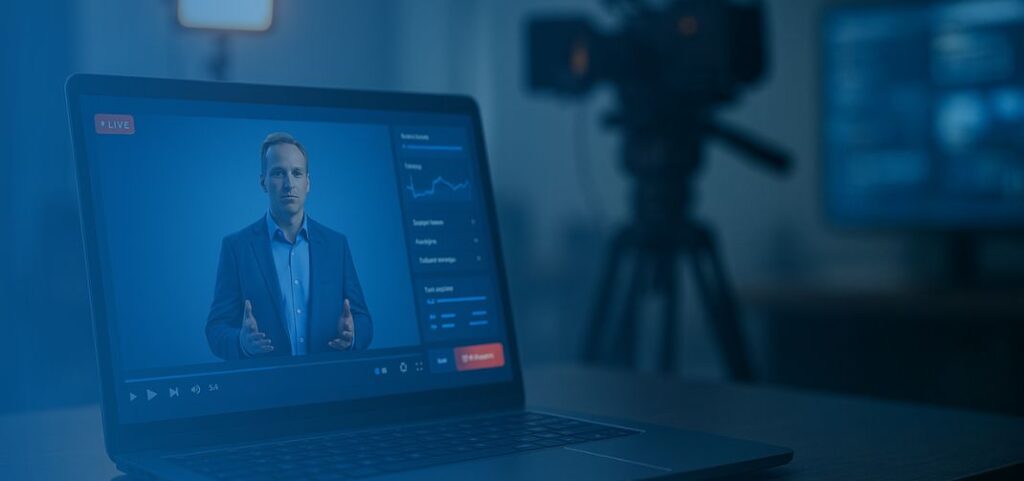
The Pros and Cons of Live Streaming for Events
✅ The Advantages of Live Streaming
• 1) Global reach, real-time engagement — Reach remote audiences instantly and connect with people no matter their location. • 2) Authenticity and immediacy — Live interaction builds trust and energy, making your message feel real, not rehearsed. • 3) Cost efficiency & scalability — Scale to thousands without venue constraints; smart streaming setups reduce cost without sacrificing polish. • 4) Extended content life — Record once, repurpose many times (clips, highlights, training videos, evergreen assets). • 5) Real-time interaction — Live Q&A, polls, chat, and prompts create participation that pre-recorded content can’t match.⚠️ The Challenges of Live Streaming
• 1) Technical risk — Internet, audio, lighting, platform stability, presenter readiness: when something falters, your audience sees it instantly. • 2) Engagement drop-off — Without strong pacing, visual interest, and planned interaction, remote audiences drift quickly. • 3) Time zone limitations — Global audiences may miss the live window; without replay you lose participation and value. • 4) Higher audience expectations — Viewers expect near-broadcast quality; one glitch can impact brand perception. • 5) Rehearsal and resource requirements — Professional delivery needs testing, trained operators, backups, and a production mindset.Loghic Events Best-Practice Approach to Live Streaming
• Plan your broadcast environment early — Choose platform, define production style, test feeds and integrations. • Design for attention — Segments < 15 minutes, interactive prompts, visual pace, strong scripting and moderation. • Support presenters with structure — Briefings, tech checks, run sheets, guided rehearsal to build confidence. • Redundancy isn’t optional — Backup internet, backup stream, backup media. Have Plan B ready before Plan A goes live. • Engage before, during and after — Pre-event promos, live chat activation, post-event replay and content reuse. • Always offer on-demand access — Not everyone attends live, but your message should still land.Live streaming can elevate your message, expand your audience, and drive deeper engagement — when executed with care and the right technical support. Treat it as a premium delivery format, and it becomes a powerful extension of your brand. If you’re planning a live stream and want polished delivery, seamless technology, and confident presenter support — partner with Loghic Events to bring your broadcast vision to life. It’s just Loghical.