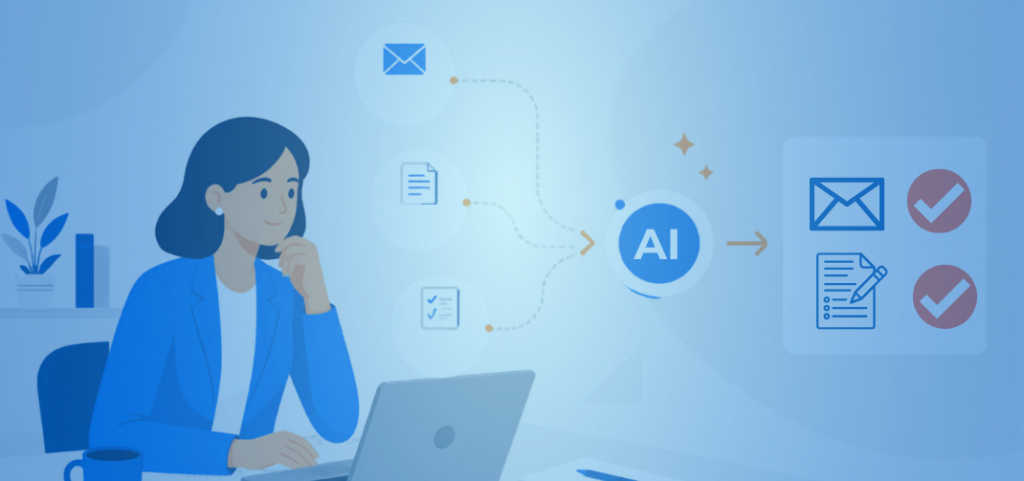
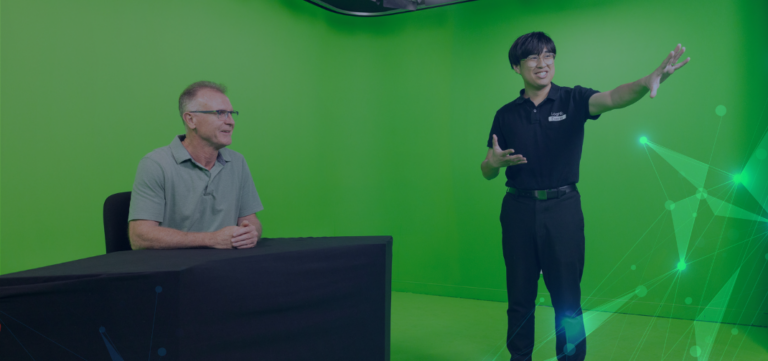
From content creation to attendee engagement, AI webinar planning is quietly becoming one of the most powerful shifts in how modern event teams work.
AI webinar planning is quietly becoming one of the most powerful shifts in how event teams work — and the results speak for themselves. Webinars have become one of the most cost-effective ways to connect with audiences at scale, but as the format matures, so do audience expectations. Attendees want polished production, personalised experiences, and content that feels relevant to them. That’s a tall order for event teams managing hundreds of moving parts.
Artificial intelligence isn’t replacing the human creativity behind great events — it’s handling the repetitive, time-consuming work so your team can focus on what matters most: the attendee experience. Here’s how AI is reshaping webinar planning from start to finish.
1. Smarter AI webinar planning from day one
One of the first challenges in webinar planning is deciding what to talk about. AI tools can analyse search trends, social conversations, and your own past event data to surface topics that are likely to resonate with your target audience right now. Tools like Claude can help you brainstorm session structures, draft speaker briefs, and even simulate Q&A scenarios, so you’re never caught off guard.
Beyond ideation, AI can review your existing content library — past slide decks, recordings, articles — and suggest how to repurpose or update material for a new audience. That means faster production cycles and less starting from scratch.
“The best webinar teams aren’t working harder — they’re delegating smarter. AI has become the most reliable member of the planning committee.”
2. Personalised promotion that actually converts
Your email campaigns are already delivering results — AI can help take them further. AI-powered marketing tools can segment your audience by behaviour, interests, and engagement history, then tailor messaging for each group. A first-time registrant might receive a welcome-focused sequence, while a long-time attendee gets a loyalty acknowledgment and early access invitation.
Natural language generation tools can produce multiple variations of promotional copy in seconds — subject lines, social posts, ad copy — so your marketing team can A/B test meaningfully without spending days writing variants by hand.
3. Content creation that saves hours, not minutes
From the first planning meeting to the final slide, content creation is one of the most time-intensive parts of webinar planning. AI tools can draft agendas, write speaker briefs, generate slide outlines, and even suggest session titles based on your topic and audience — all in a fraction of the time it would take manually.
This doesn’t mean handing the creative reins over entirely. The best results come from using AI as a first draft engine — giving your team a strong foundation to refine and make their own. The outcome is faster turnarounds, more consistent quality, and more bandwidth for the strategic decisions that actually require human judgment.
4. Real-time webinar engagement during the event
Live webinar engagement is one of the hardest things to maintain at scale. AI-powered moderation tools can sort and prioritise incoming questions, flagging the most upvoted or topically relevant ones for your host. Sentiment analysis can track how the audience is responding in real time — surfacing signs of confusion, excitement, or disengagement so you can adapt on the fly.
Live transcription and translation tools, increasingly powered by AI, are also making webinars more accessible and genuinely global. What used to require a specialist team can now be enabled with a few clicks.
5. Post-event follow-up, automated
Strong post-event follow-up is where many teams lose momentum. AI closes that gap by automatically transcribing recordings, generating summary documents, identifying key moments for highlight clips, and triggering personalised follow-up emails based on whether an attendee registered but didn’t show, attended part of the session, or stayed until the end.
The result? Your team spends less time on admin and more time acting on the insights the event generated.
A word of caution: AI augments, it doesn’t replace
The most successful event teams we work with at Loghic use AI as a force multiplier — not a substitute for strategic thinking or authentic human connection. Your speakers, your brand voice, and your understanding of what your audience truly needs cannot be automated. AI works best when it’s given clear direction by people who know the goal.
As event technology in 2026 continues to evolve, the teams that adapt earliest will have a significant competitive advantage. We’d encourage you to identify two or three time-consuming tasks in your current workflow and explore whether an AI webinar planning tool could take them off your plate. The time savings are real — and they compound quickly across a full event calendar.
Ready to plan a webinar that makes the most of modern tools? The Loghic Events team can help you build a smarter event strategy — from platform selection to post-event reporting. Contact us today.
Frequently Asked Questions
Everything you need to know about using AI in your webinar planning process.
✓
Do I need technical expertise to use AI tools for webinar planning?
No — most AI tools designed for event planning are built for non-technical users. Tools like AI writing assistants, automated email platforms, and live transcription services work through simple interfaces, and many integrate directly with platforms you’re already using. A good event partner like Loghic Events can also guide you through tool selection and setup.
✓
Which parts of webinar planning benefit most from AI?
The biggest time savings tend to come from content drafting (agendas, speaker briefs, promotional copy), post-event tasks (transcription, follow-up emails, highlight clips), and audience segmentation for marketing. Live moderation tools are also increasingly valuable for high-volume webinars with large Q&A queues.
✓
Can AI help improve attendee engagement during a live webinar?
Yes. AI-powered tools can prioritise and filter audience questions in real time, track sentiment to flag disengagement, and even suggest response prompts for hosts. Some platforms also use AI to personalise the post-event experience — sending attendees content related specifically to the sessions or topics they engaged with most.
✓
Will using AI make my webinar feel less personal or authentic?
Only if it’s used thoughtlessly. The strongest use of AI in events is behind the scenes — handling admin, research, and logistics so your team has more time for the human elements that matter: speaker preparation, live interaction, and genuine audience connection. Your brand voice and relationships remain entirely yours.
✓
How does AI support post-event follow-up?
AI can automatically transcribe recordings, generate summary documents, identify highlight moments for short-form clips, and trigger segmented follow-up email sequences based on attendee behaviour (e.g. attended vs. registered only). This dramatically reduces the manual workload that typically follows a live event.